 Home
Our Guides
Resources
About
Contact Us
International Pricing
Browse Guides
Home
Our Guides
Resources
About
Contact Us
International Pricing
Browse Guides
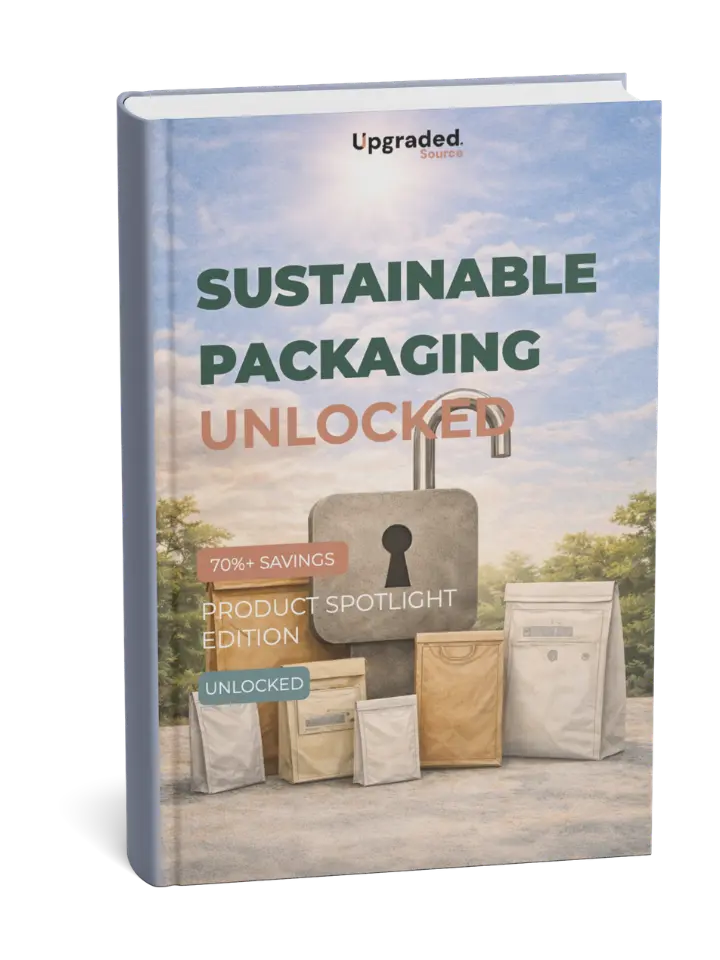
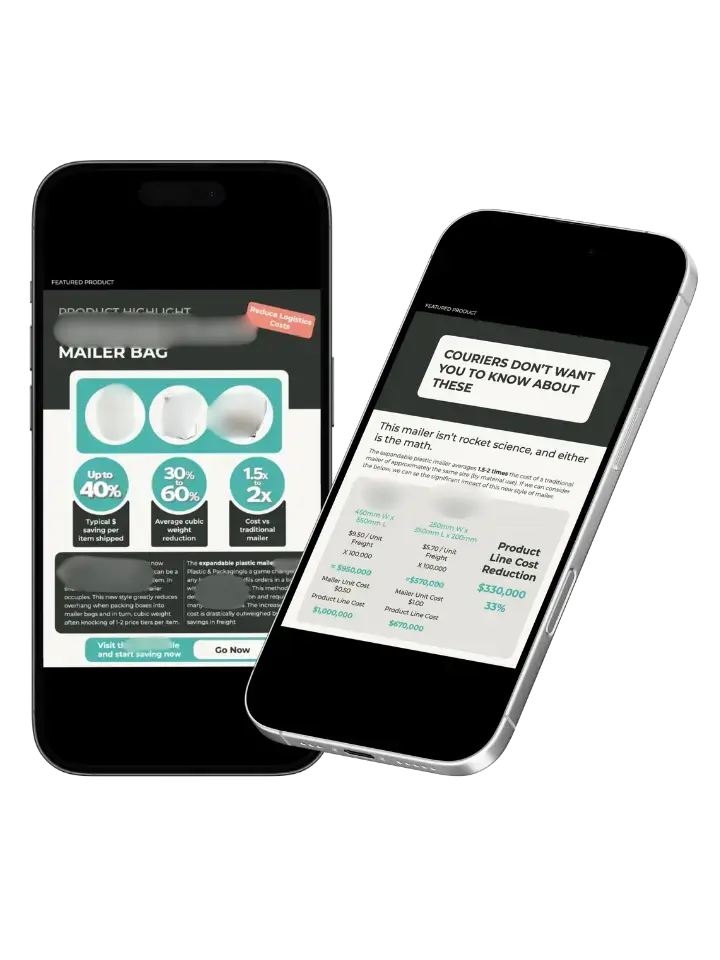
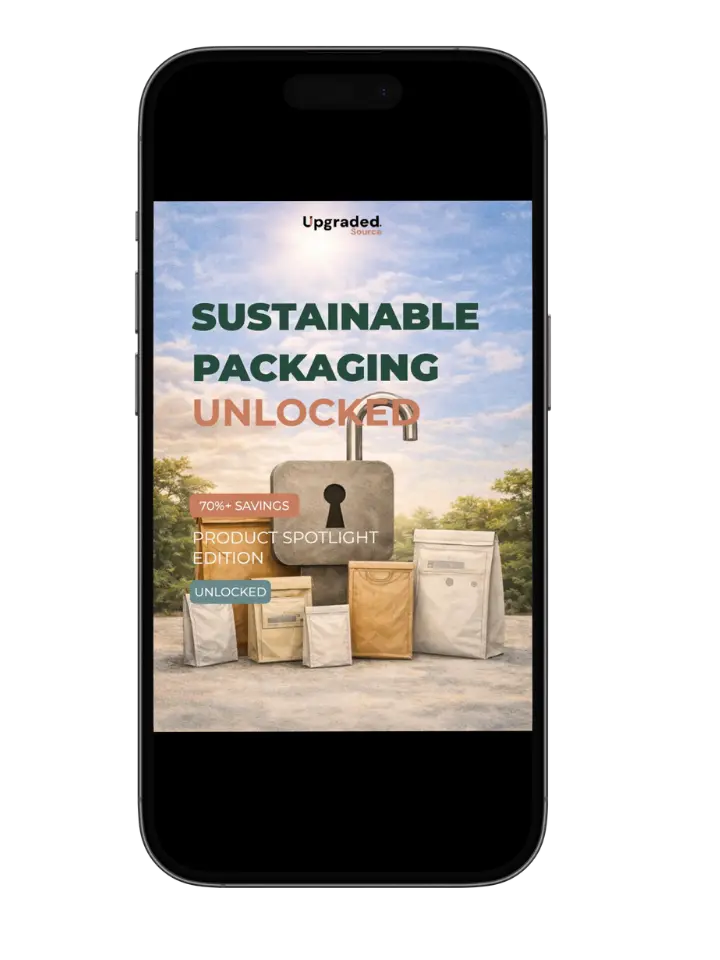
Most packaging guides show you options. This one shows you the maths. The Product Spotlight Edition zeroes in on one remarkable product, the Expandable Plastic Mailer Bag sourced direct from a verified certified manufacturer, and walks through exactly how it cuts 30–60% off your cubic weight, knocks 1–2 freight price tiers off every shipment, and reduces product line costs by up to 33% at volume. One product. Dramatic savings. Full supplier access.
Editorially independent: no supplier pays for inclusion. Selection is based solely on quality, reliability, and value.
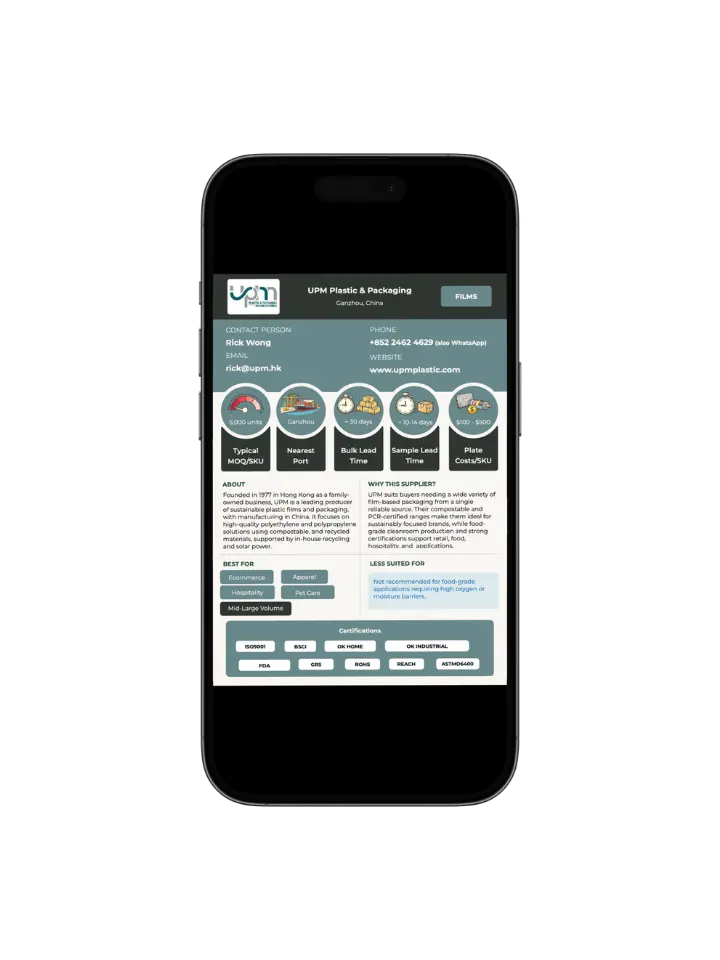
At $399, the Product Spotlight is the lowest-commitment way to see exactly how direct manufacturer access works: one verified supplier, the full numbers, no fluff. When you're ready to go broader, every full edition is waiting.
See all editions →Most businesses packing products into mailer bags don't realise that the bag itself is inflating their freight bill. Standard poly mailers hold their shape, meaning even a small, lightweight product ships inside a bag that's far larger than it needs to be. Couriers charge on cubic weight (length × width × height ÷ a cubic divisor), not actual weight.
The result: you're paying freight rates on air. The Expandable Plastic Mailer Bag solves this by collapsing down around your product. Less cubic volume. Lower freight tier. Every single shipment.
An expandable mailer bag is engineered with a bellows-style gusset, a folded side panel that opens up when you load the bag and collapses flat around the contents when sealed. Unlike a standard poly mailer, which holds its shape regardless of what's inside, an expandable bag conforms to the item.
The gusset structure means the sealed depth reflects the actual item thickness, not the bag's full capacity. Dead air is eliminated.
Depending on what you're shipping, expandable bags reduce cubic weight by 30–60% compared to a standard flat mailer of equivalent dimensions.
Lower cubic weight moves shipments into cheaper courier pricing bands, often dropping one or two tiers, which is where the significant savings come from.
At 1.5–2× the bag cost of a standard mailer, the upfront number looks worse. The freight math makes it significantly better.
The mechanism works best for soft goods, apparel, homewares, and other compressible products. It's less effective for rigid items that hold their shape inside the bag, though cubic weight savings still apply in those cases too.
The standard mailer isn't sealed tight around your product: it's filled with dead air. That dead air is classified as weight by every major Australian courier. Aramex, Australia Post, Toll, CouriersPlease: they all apply cubic weight rules. Your 200g garment in a loose bag gets charged as a 3 kg parcel.
"The bag wasn't the problem. The air inside it was."
The scenario below is based on a mid-size ecommerce brand shipping 100,000 parcels per year, typical for an apparel or lifestyle brand at $5–15M revenue. The freight rate differential reflects dropping from a higher cubic weight tier to a lower one.
Want the full freight math with Australian carrier rates? See the 100,000-unit case study for the per-tier rate breakdown, sustainability material options, and side-by-side cost analysis.
Any eCommerce business, subscription brand, or fulfilment operation shipping products in poly mailer bags at volume. If you're dispatching 5,000+ units per SKU annually and buying mailer bags through a local distributor, this guide will almost certainly deliver significant cost savings on your freight bill, not just your packaging cost.
Couriers like DHL, FedEx, and UPS calculate freight charges based on whichever is higher: actual weight or cubic weight. Cubic weight is calculated as (length × width × height) ÷ a courier-specific cubic divisor. Standard poly mailers maintain a fixed shape regardless of product size, meaning small or flat products ship in bags far larger than necessary, pushing you into a higher freight tier. The Product Spotlight Edition includes a full breakdown of how cubic weight is calculated and worked examples showing the tier impact at different product sizes.
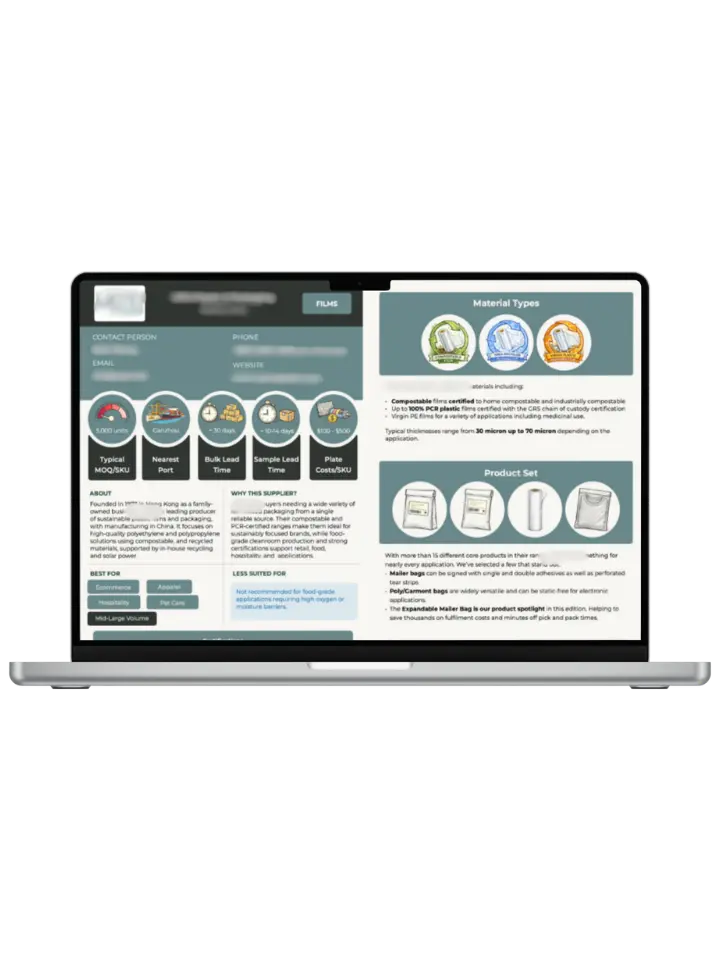
Yes, with real certifications to back it up. The manufacturer offers expandable mailer bags in 100% PCR (post-consumer recycled) plastic film certified to GRS (Global Recycled Standard), and in compostable film certified to OK HOME and OK INDUSTRIAL standards. The guide covers the material specifications, certification details, and guidance on which option is most appropriate for your brand's sustainability positioning.
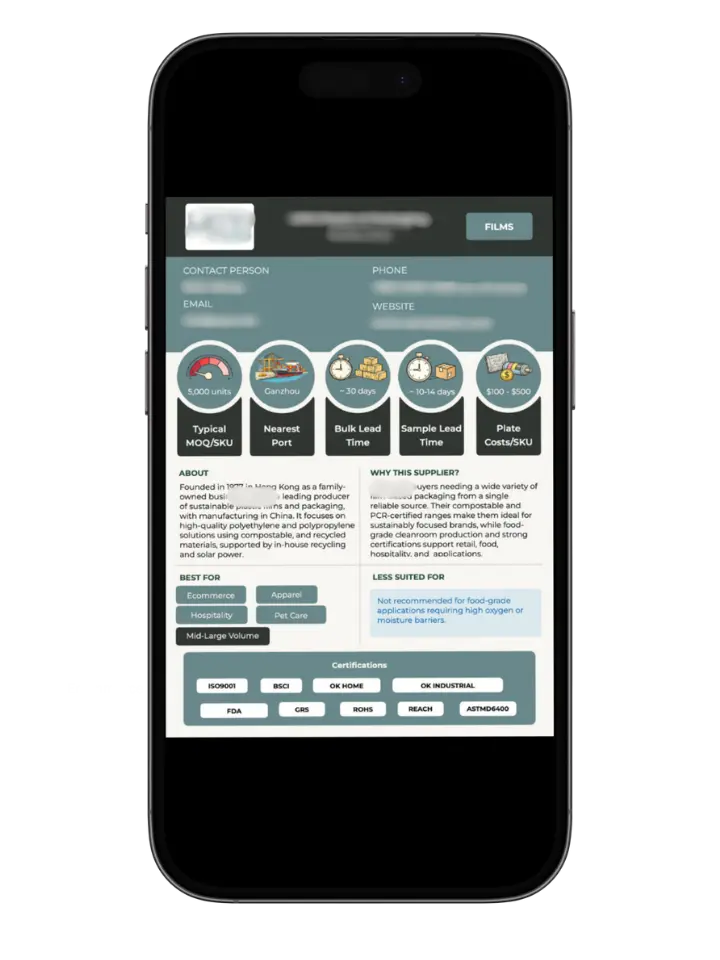
The Product Spotlight Edition includes a full explanation of the cubic weight problem, worked savings examples at different volume levels, a breakdown of the material options and their certifications, guidance on plate costs and custom print setup, and direct supplier contact details so you can request samples and quotes directly from the manufacturer.
Vincija Swim purchased the Complete Edition and went direct to manufacturer. Here's what happened.
We recently purchased the upgraded complete edition of the sustainable packaging guide, and it's been an incredibly valuable resource for our business.
The biggest win was the cost saving as we've reduced our packaging costs by over 60%, even with branded logo printing included. That alone covered the cost of the guide.
What really stood out was the clear breakdown of certifications and material types, which made it much easier to understand and improved transparency.
The end-to-end supply chain directory goes far beyond just shipping packaging, it covers virtually every packaging solution we needed and more. From eco-friendly options to manufacturers and branded cardboard solutions we're looking to expand into, it includes a range of suppliers with flexible MOQs.
Overall, we're super happy. It's a practical resource that has given us clarity, expanded our packaging options, and delivered significant cost savings for our business.
You can Google sustainable packaging suppliers. What you'll find is retailers, distributors, and brands who've paid to be visible. The manufacturers in our guides don't heavily promote themselves, as they don't need to. Their order books are full. The value isn't the words on the page. It's the months of focused work it took to find these manufacturers, verify their certifications, negotiate access, and assemble them in one buyer's guide.
It's a PDF, yes, but what's inside is a verified manufacturer directory with MOQ thresholds, lead times, certification status, and direct contact details for each supplier. The buyer's guide section exists to make sure you know what to ask and what to look for before you contact anyone. Most buyers reach a manufacturer and place their first order within a few weeks of purchase.
Email us before you buy: hello@upgradedsource.com. We'd rather tell you honestly that a guide isn't right for you than have you purchase the wrong one. Each edition page has a detailed table of contents and a breakdown of what's covered. If you're unsure, just ask.
Guides are reviewed and updated biannually. Buyers receive new editions at 50% off automatically. Supplier relationships are maintained directly. If a manufacturer's terms, MOQs, or certifications change, we update the guide. You're not buying a snapshot; you're buying ongoing access to verified, current information.
The Product Spotlight Edition gives you the full picture, the maths, the material specs, and the direct manufacturer contact, so you can move from reading to ordering in days, not months.